Ultimate Handbook to Bass Poles and Spools: Enhance Your Fishing Experience With the Top Gear
The choice of bass rods and reels significantly impacts an fisherman's success on the water. Understanding the intricacies of rod types, reel choices, and gear ratios can enhance results. Maintenance and timely improvements also play vital roles in improving the fishing experience. For those looking to refine their approach, investigating these elements could lead to more successful outings. What considerations should every angler keep in mind when choosing their gear?
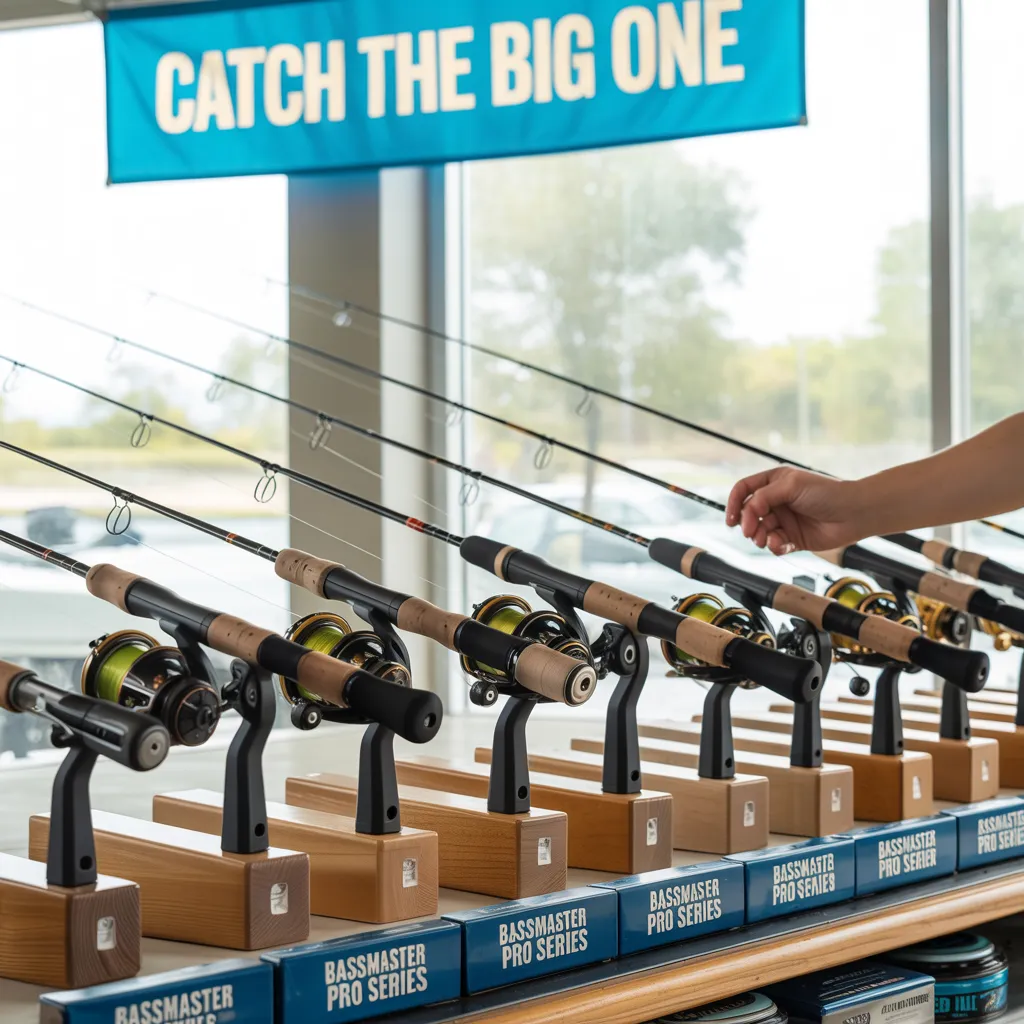
Mastering Fish Rod Options: What You Need to Understand
When choosing the ideal bass rod, anglers face numerous alternatives tailored to various angling methods and conditions. Understanding the different types of bass rods is crucial for enhancing performance. Typically, bass rods are divided into spinning, bait-casting, and fly rods, each created for specific techniques. Spinning rods offer adaptability and ease of use, rendering them ideal for beginners and finesse methods. Baitcasting rods provide greater accuracy and control, suited for substantial lures and more advanced presentations. Fly rods, though rare for bass fishing, can be effective in certain scenarios, particularly in shallow waters.
Rod length and force also represent key elements; extended rods allow for greater casting distance, while various power ratings—from ultralight to heavy—determine responsiveness and durability. Anglers should evaluate their preferred techniques, intended targets, and fishing environments when picking the right rod to boost their bass fishing journey.
Top Rods for Different Fishing Styles
Choosing the right rod for specific fishing styles can significantly improve an angler's success on the water. For delicate methods, such as drop-shotting or shaky heads, a medium-light spinning rod with a responsive tip is ideal, enabling precise presentations. When targeting heavy cover or using jigs, a heavy-duty casting rod offers the strength and backbone required to handle bigger catches and avoid snags. For surface fishing, a moderate-action rod provides a combination of responsiveness and strength, enabling successful hook sets.
Fishermen seeking flexibility may favor a medium-heavy rod, appropriate for multiple techniques. Additionally, for anglers angling in open water or employing swimbaits, an extended rod enhances distance when casting and control. In the end, selecting the appropriate rod not only matches the selected fishing style but also contributes to a more pleasant and productive angling experience.
Spinning vs. Baitcasting: Which Fishing reel Should You Choose?
Comprehending the differences between spinning and baitcasting reels is crucial for anglers seeking to optimize their gear for specific fishing techniques. Spinning reels are generally easier to use, making them suitable for beginners. They feature an open face, allowing for quick line retrieval and the ability to cast lighter lures accurately. This design also minimizes tangles, enhancing user experience.
Conversely, baitcasting reels provide better command over casting velocity and reach, attracting to experienced anglers. They are suited for heavier lures and deliver superior feel, which is advantageous when spotting bites. Yet, baitcasting reels necessitate more practice to perfect, as line tangles can develop if not operated correctly.
Ultimately, the choice between baitcasting and spinning reels should align with the angler's skill level, fishing style, and the specific conditions of the water being fished. Each type presents unique advantages that can profoundly impact the fishing experience.
The Importance of Mechanical Ratios in Your Fishing Success
Gear ratios function as an vital component in determining how competently an angler can work with their catch. High gear ratios enable for quicker line recovery, making them perfect for fast-moving approaches. On the other hand, low gear ratios deliver greater power, which can be advantageous for landing bigger fish or making precise presentations.
High Gear Ratio Rewards
While numerous anglers prioritize rod length and action, the gear ratio of a reel has an important function in enhancing the fishing experience. High gear ratios, typically from 6:1 to 8:1, provide speedier line retrieval, which can be crucial when targeting active fish or while quick retrieves. This speed enables anglers to respond swiftly to strikes, boosting hook-up potential. In addition, high gear ratios support efficient lure presentation, particularly for techniques requiring quick movement, such as topwater fishing or jigging. The ability to recover line quickly also minimizes the time spent reeling in slack, keeping the bait in the strike zone longer. Overall, high gear ratios boost responsiveness and effectiveness during fishing sessions.
Low Gear Ratio Advantages
Although high gear ratios are often praised for their speed, low gear ratios, typically ranging from 4:1 to 5:1, offer unique benefits that can improve the fishing experience in various situations. One key benefit is increased torque, allowing anglers to pull in heavier baits and fight larger fish with improved command. This is particularly beneficial in situations where accuracy and strength are essential, such as when fishing in thick cover or targeting stubborn species. Additionally, low gear ratios facilitate a slower, more methodical retrieve, ideal for enticing fish that are less aggressive. The added control also decreases fatigue during extended fishing sessions, making it easier to maintain focus and technique. Overall, low gear ratios are essential equipment for serious anglers.
Critical Equipment for Successful Bass Fishing
Successful bass fishing needs essential gear that boost the angler's adventure and efficiency. Among these, a long-lasting tackle box is important for organizing lures, hooks, and tools, ensuring quick access to gear while on the water. A high-quality fishing line, particularly braided or fluorocarbon, offers strength and sensitivity, critical for detecting bites. Additionally, a reliable net aids in safely landing fish without causing harm.
Polarized sunglasses are a essential tool for minimizing glare on the water, helping anglers to find fish and underwater structures more readily. A fishing hat or buff supplies protection from the sun, guaranteeing comfort during long stretches outdoors. Ultimately, a fish finder can dramatically enhance success rates by pinpointing the best spots to cast. These accessories, when united, construct a full-featured toolkit that enhances the overall bass fishing experience, making outings more enjoyable and gratifying.
How to Keep Your Rods and Reels Remain in Top Shape
Preserving fishing tackle in top condition is important for any bass angler working toward dependable success on the water. Regular upkeep is vital; after every fishing outing, rods must be cleaned to remove dirt and salt, while reels benefit from disassembly and thorough cleaning to prevent corrosion. Greasing of moving components improves performance and prolongs lifespan.
Inspecting guides and tips for damage or deterioration ensures smooth line movement, minimizing breaks during use. Additionally, keeping rods in vertical positions or within protective cases prevents unnecessary bending and damage.
Reels should be stored in a cool, dry place, out of direct sunlight, to avoid deterioration of materials. Checking line frequently for frays and replacing it as needed maintains peak casting performance. By following these methods, anglers can ensure their equipment stays reliable and ready for action, in the end enhancing their fishing experience.
Upgrading Your Equipment: When and Why to Spend
Upgrading angling equipment can greatly enhance performance and enjoyment on the water. Noticing signals of obsolete gear is vital, as is appreciating the rewards of new technology. Additionally, effective budgeting for equipment replacements confirms anglers can make informed investments without overspending.
Signs Your Equipment Is Aging
As anglers go after the perfect haul, they may not realize that their tackle can become old-fashioned over time. Indications of ageing tackle include visible signs of wear, such as frayed lines or cracked rods, which can hinder performance. Additionally, legacy reels may lack consistent drag operation or reliable gear ratios, lowering casting accuracy and retrieval speed. If an fisherman frequently experiences equipment problems or unreliable performance, it may signal the need for an replacement. Moreover, innovations in fishing technology, such as lightweight materials and improved sensor capabilities, can boost the overall fishing activity. Recognizing these indicators is important for retaining an effective fishing system and assuring maximum efficiency on the water. Upgrading gear can ultimately lead to more effective fishing outings.
Positive Outcomes of Modernizing Machinery
Investing in innovative fishing gear can greatly improve an angler's angling adventures. Upgrading fishing equipment offers multiple advantages, including improved touch and overall efficiency. Advanced rod designs typically produce rods that are more lightweight and sensitive that help anglers more easily sense light bites. Moreover, modern reels possess more efficient drag mechanisms and increased gear ratios, facilitating faster reeling and enhanced control over catches. The use of strong materials also enhances gear longevity, ensuring that equipment endures severe conditions, which extends its usable life. Upgraded gear can also enhance casting range and precision, helping access hard-to-reach locations. Ultimately, review article buying high-quality equipment can lead to greater achievement in fishing and a stronger love of fishing.
Financial Planning for Equipment Improvements
Choosing the best time to upgrade fishing gear calls for thoughtful consideration of personal finances and fishing needs. Anglers need to start by reviewing their current equipment's effectiveness and pinpointing any specific limitations that impede their experience. Establishing a budget is vital; it helps in prioritizing upgrades that bring the most noteworthy benefits. Monitoring seasonal sales and promotions can also offer substantial savings. Additionally, anglers should keep in mind the long-term value of investing in higher-quality gear, since it generally leads to enhanced performance and durability. Ultimately, the decision to upgrade should correspond with both financial means and a true need for better functionality, making sure the investment results in a more satisfying fishing experience.
Often Asked Questions
What Measurement Rod Is Best for Beginners?
A 6 to 7-foot rod is perfect for beginners, offering a balance of flexibility and command. This length facilitates easier casting and enhanced accuracy, making it appropriate for diverse fishing conditions and techniques.
How Should I Decide On the Correct Fishing Line for My Spool?
Choosing the proper line for a reel requires considering the fish species, water conditions, and fishing techniques. Line strength, type (monofilament, braided, or fluorocarbon), and diameter play essential roles in ensuring successful fishing experiences.
What Can Be the Perks of Using Fluorocarbon Line?
Fluorocarbon line offers reduced visibility in water, excellent abrasion protection, and little stretch, enhancing sensitivity and hook sets. Its weight enables for improved sinking, making it ideal for finesse techniques and clear water conditions.
How Do Climate Patterns Effect Your Bass Fishing Experience?
Weather conditions greatly affect bass fishing by affecting water temperature, light penetration, and fish behavior. Overcast days often yield better catches, while bright sunlight can push bass deeper, changing their feeding patterns and locations.
Can Saltwater Equipment Be Employed for Freshwater Bass Fishing?
Yes, saltwater gear can be used for bass fishing in freshwater. However, fishermen should take into account the rod's action and reel's gear ratio to ensure peak performance, as saltwater equipment may be more heavy and less responsive.